
How to Care for Plants: Essential Tips for Thriving Greens in Your Home
Plants are like that friend who needs a little extra love and attention to thrive. They can’t text you when they’re thirsty or send a passive-aggressive meme when they’re unhappy. Instead, they rely on their human companions to decipher their leafy signals. With a little know-how, anyone can transform their home into a lush oasis, even if their last plant was a cactus that mysteriously met its demise. Caring for plants might seem daunting, but it’s really just a matter of understanding their needs. From watering schedules to the perfect amount of sunlight, each plant has its quirks. With the right tips and a sprinkle of humor, anyone can become a proud plant parent. So grab your watering can and let’s dig into the delightful world of plant care—because who wouldn’t want to be the proud owner of a thriving green companion? For larger gardening projects or outdoor planting events, a porta potty rental can provide convenient restroom access while everyone focuses on cultivating the greenery.
How To Care For Plants
Understanding plant needs ensures successful growth and vibrant health. Specific requirements differ by species, making awareness crucial for any plant caregiver.
Light Requirements
Light influences plant growth and health. Most plants thrive in bright, indirect sunlight. For example, succulents prefer direct light for a significant part of the day, while ferns flourish in lower light conditions. Observing the orientation of windows helps position plants optimally. Inadequate light often results in leggy growth or leaf drop. Therefore, identifying the appropriate light levels for each plant type ensures they receive the energy necessary for photosynthesis.
Watering Guidelines
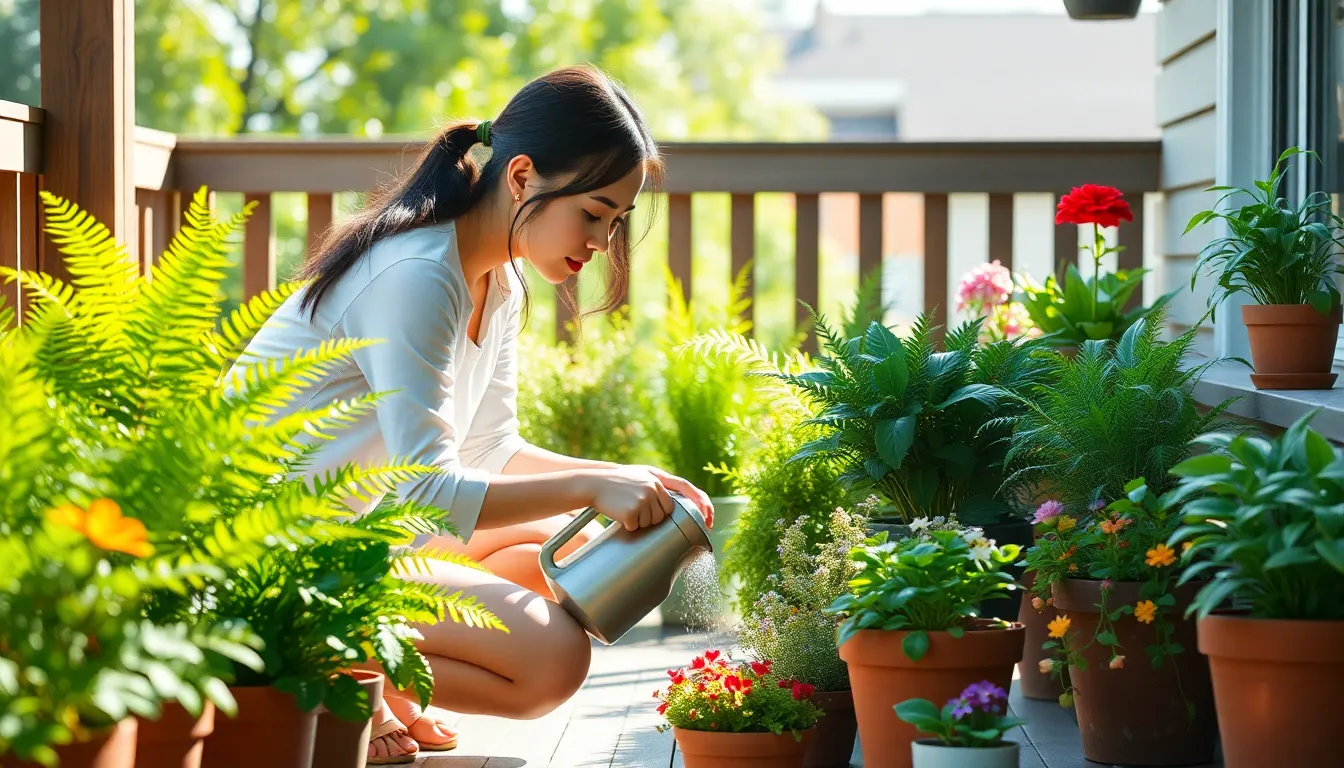
Watering routines vary based on plant type and environment. For instance, succulents need infrequent watering, while tropical plants prefer consistently moist soil. Checking the top inch of soil before watering helps prevent overwatering. Recognizing symptoms of wilting or yellowing leaves indicates either drought or excess moisture. Using room temperature water promotes better absorption. Adjusting the watering schedule seasonally accommodates the plant’s growth cycle, particularly during active growth in spring and summer.
Soil Types
Soil composition directly affects plant health. Different plants require specific soil types for optimal growth. For instance, cacti thrive in sandy, well-draining soil, whereas ferns favor rich, organic mix. Testing soil drainage by watering and observing how quickly water disappears aids in selecting the right soil. Regularly replenishing nutrients through fertilization enhances overall soil health. Understanding the appropriate soil for each plant type supports robust root development, ensuring plants receive adequate moisture and nutrients.
Essential Care Techniques
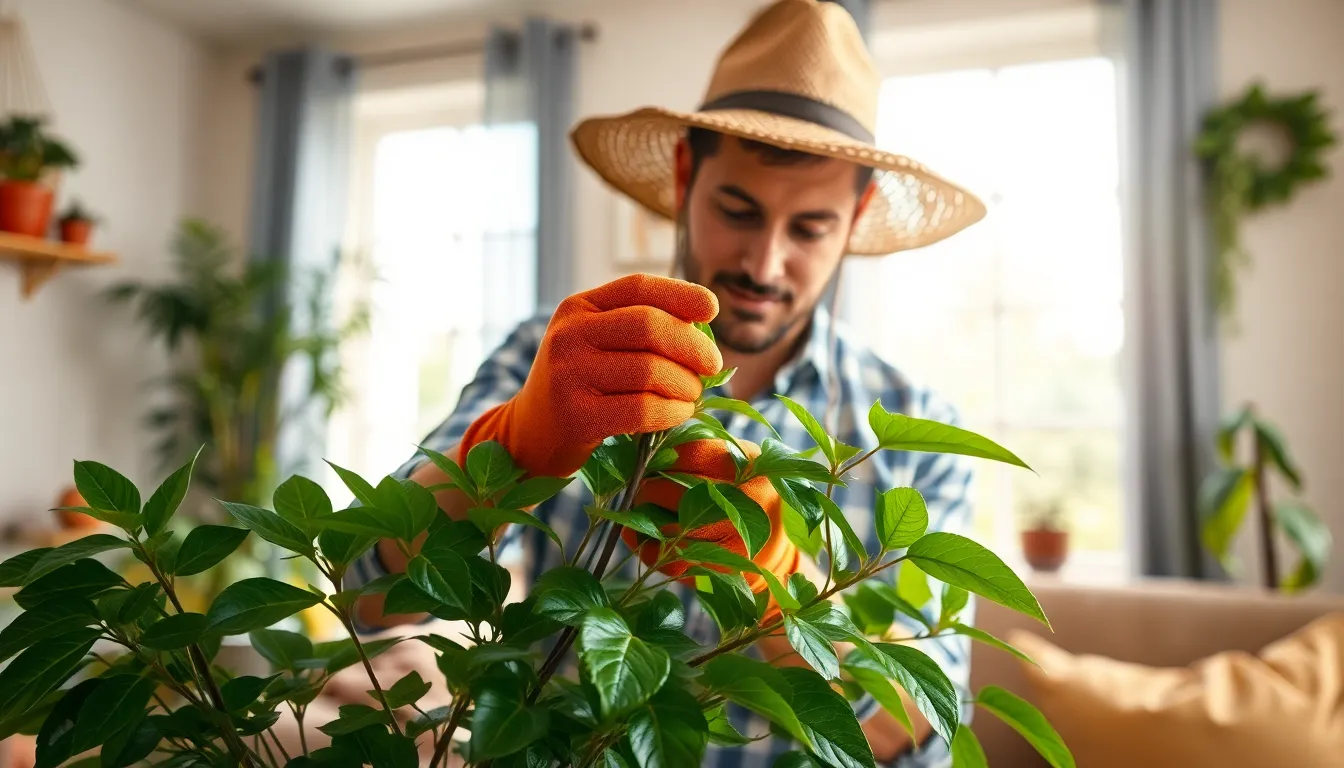
Caring for plants involves several essential techniques that promote their growth and health. Proper pruning, fertilizing, and pest control play significant roles in maintaining vibrant plants.
Pruning and Trimming
Pruning removes dead or damaged leaves, encouraging new growth. Trimming also shapes plants, improving their overall appearance. These actions prevent diseases by ensuring good airflow between leaves. Regular pruning helps manage plant size, especially for fast-growers. Use sterilized tools for clean cuts, minimizing injury to the plants. Aim to prune during the growing season, typically in spring or early summer, allowing plants to recover quickly.
Fertilizing Your Plants
Fertilizing replenishes essential nutrients in the soil. Different plants require specific fertilizers; for example, flowering plants benefit from higher phosphorus levels. Liquid fertilizers typically provide faster nutrient absorption, while slow-release options ensure extended nourishment. Observe plants closely for signs of nutrient deficiency, such as yellowing leaves. Fertilize during the growing season for optimal results, and avoid over-fertilizing to prevent root burn. Dilution of fertilizers, particularly for sensitive plants, can enhance nutrient uptake without damage.
Pest Control Methods
Integrated pest management effectively minimizes pests. Regular inspections help identify issues early, allowing for timely intervention. Natural predators, such as ladybugs, can control aphid populations. Insecticidal soap and neem oil offer safe, effective treatments for various pests. Encourage a healthy ecosystem by planting diverse species, which can naturally deter harmful insects. Always follow application instructions to protect plants and beneficial organisms. Regular maintenance and vigilance support a healthier plant environment, reducing pest-related challenges.
Common Plant Problems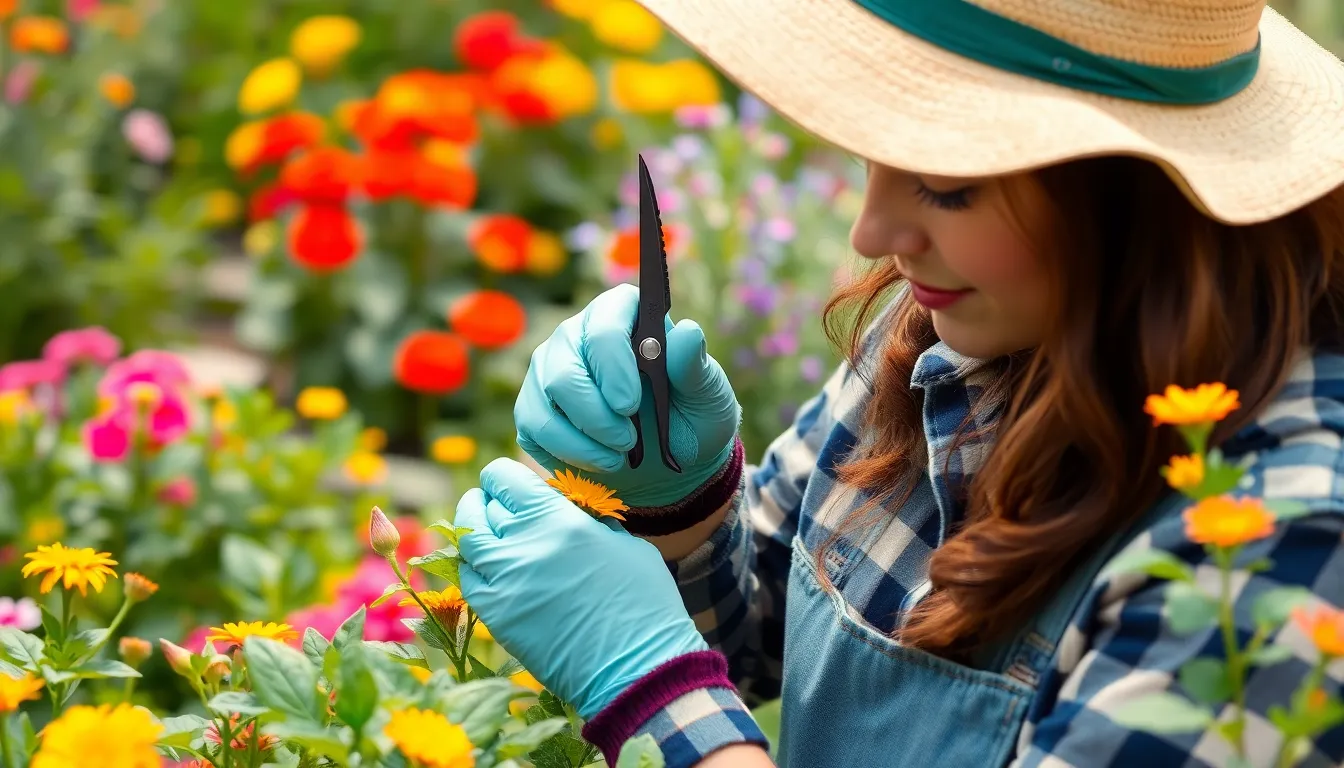
Plants can face several issues that affect their growth and health. Understanding these problems helps in providing proper care.
Identifying Diseases
Identifying diseases early on makes a significant difference. Common signs include yellowing leaves, wilting, and unusual spots. Fungal infections may lead to a white powdery substance on leaves. Bacterial infections often present as water-soaked areas. Monitoring plants regularly allows for quick detection and response. Checking the undersides of leaves aids in revealing pests and diseases not visible from above. Ensuring plants receive adequate air circulation minimizes disease risks.
Solutions for Overwatering
Solutions for overwatering begin with adjusting watering habits. Checking soil moisture before watering helps prevent excess moisture. Allowing soil to dry out between waterings fosters healthy root systems. If overwatering occurs, improving drainage is crucial. Repotting plants in fresh soil may rejuvenate waterlogged roots. Creating small drainage holes in pots aids excess water release. Reducing watering frequency during dormant periods prevents stress. Observing plants’ responses to changes promotes long-term health.
Tips for Specific Plant Types
Understanding specific care requirements enhances the success of nurturing various plant types. Indoor and outdoor plants each have unique needs that promote optimal growth and health.
Indoor Plant Care
Light conditions play a vital role for indoor plants. Most enjoy bright, indirect sunlight, while some might require more direct light. Watering schedules vary; checking the top inch of soil ensures adequate moisture. Tropical plants thrive in consistently moist soil, whereas succulents prefer dryness. Proper potting encourages growth, as containers with drainage holes prevent water accumulation. Additionally, maintaining humidity can benefit certain species, particularly tropical varieties, which may require misting or a humidity tray.
Outdoor Plant Care
Outdoor plants demand attention to location and climate. Sunlight exposure varies, with many favoring full sun while others prefer partial shade. Soil type influences health significantly; well-draining soil supports robust root systems. Watering frequency adjusts with seasons; fully established plants typically require less frequent watering, while newly planted ones need regular moisture. Mulching retains soil moisture and minimizes weeds. Regular checks for pests and diseases bolster outdoor plant resilience, ensuring vibrant growth throughout the seasons.