

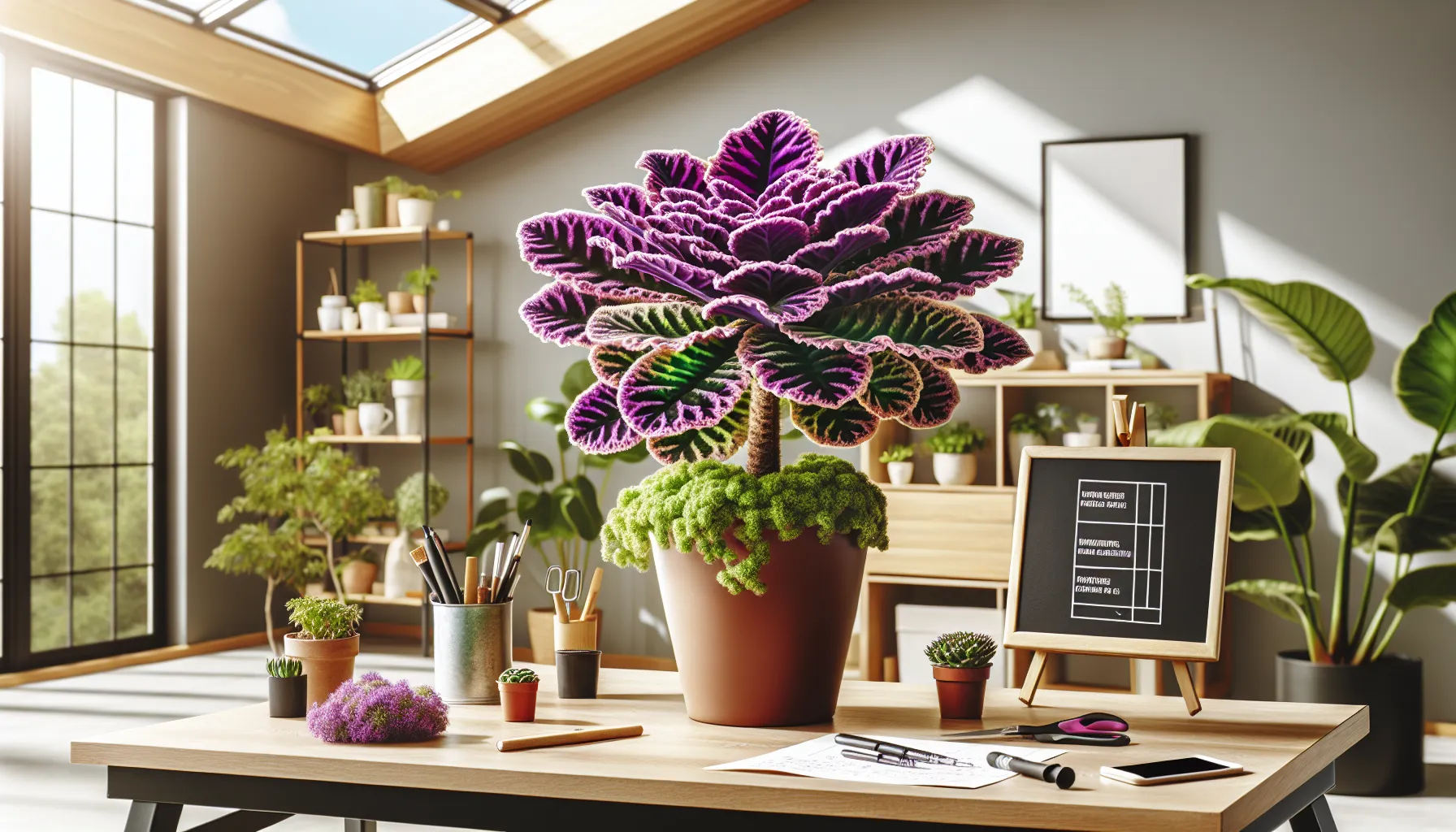
Purple Waffle Plant Care: Your Guide to Thriving Foliage
Picture this: You spot a purple waffle plant at the garden center, its leaves shimmering with deep violet and green, almost metallic in the light. You reach out, touch the crinkled foliage, and think, “This is the one.” But then, a little voice whispers, “Can I actually keep this thing alive?” If you’ve ever felt that twinge of doubt, you’re not alone. Purple waffle plant care can feel mysterious, but it’s not rocket science. Let’s break it down so you can enjoy thriving, vibrant foliage—without the stress.
What Makes the Purple Waffle Plant Special?
The purple waffle plant, or Hemigraphis alternata, isn’t just another houseplant. Its leaves look like they’ve been sculpted from velvet, with a purple underside that almost glows. This plant doesn’t just sit quietly in a corner—it demands attention. But here’s the part nobody tells you: it’s not as fussy as it looks. If you give it the right care, it’ll reward you with lush, colorful growth year-round.
Who Should Grow a Purple Waffle Plant?
If you love bold colors and want a plant that stands out, this one’s for you. It’s perfect for people who like to check on their plants a few times a week, but don’t want to babysit them every day. If you travel a lot or forget to water for weeks, you might want to try something hardier. But if you’re ready to give a little attention, purple waffle plant care is totally doable.
Light: The Secret to Vibrant Color
Here’s why light matters: too little, and your plant’s famous purple fades to a dull green. Too much, and the leaves scorch. The sweet spot? Bright, indirect light. Place your purple waffle plant near an east or north-facing window. If you only have south or west windows, pull it back a few feet or use a sheer curtain. Watch for signs—pale leaves mean it needs more light, crispy edges mean it’s getting too much.
Common Mistake: Direct Sun
I once left my purple waffle plant on a sunny windowsill, thinking more light meant more color. Within days, the leaves curled and browned. Lesson learned: filtered light is your friend.
Water: Keep It Moist, Not Soggy
Purple waffle plant care means finding the Goldilocks zone with water. The soil should stay consistently moist, but never waterlogged. Stick your finger an inch into the soil—if it feels dry, it’s time to water. If it’s damp, wait a day or two. Use room-temperature water to avoid shocking the roots.
- Water when the top inch of soil feels dry
- Empty saucers after watering to prevent root rot
- Reduce watering in winter, but don’t let the soil dry out completely
Pro Tip: Humidity Helps
Purple waffle plants love humidity. If your home is dry, especially in winter, try misting the leaves or placing a tray of water nearby. Grouping plants together also boosts humidity. If you see crispy edges, that’s your plant begging for more moisture in the air.
Soil and Potting: The Right Foundation
Use a light, well-draining potting mix. A standard houseplant mix with a handful of perlite or peat moss works well. Avoid heavy soils that hold too much water. Repot every year or two, or when roots start poking out of the drainage holes.
Choosing the Right Pot
Pick a pot with drainage holes. This isn’t optional—purple waffle plants hate sitting in water. If you love decorative pots, use a plastic nursery pot inside your pretty container and remove it to water.
Feeding: How to Fertilize for Growth
During spring and summer, feed your purple waffle plant every month with a balanced, water-soluble fertilizer diluted to half strength. Skip feeding in fall and winter when growth slows. Too much fertilizer can burn the roots, so less is more.
Pruning and Propagation: Keep It Bushy
Prune your purple waffle plant to encourage bushier growth. Pinch back leggy stems with clean fingers or scissors. Don’t toss those cuttings—stick them in water or moist soil, and you’ll have new plants in a few weeks. It’s a great way to share with friends or fill out your own collection.
Pests and Problems: What to Watch For
Here’s the part nobody tells you: even healthy purple waffle plants can attract pests. Watch for spider mites, aphids, and whiteflies. If you see sticky residue or tiny webs, wipe the leaves with a damp cloth and use insecticidal soap if needed. Yellowing leaves usually mean overwatering, while crispy tips point to low humidity or too much sun.
- Spider mites: Look for fine webbing and speckled leaves
- Aphids: Check for clusters of tiny green or black bugs
- Root rot: Smell the soil—if it’s musty, roots may be rotting
Common Mistakes and How to Avoid Them
- Overwatering: Always check soil before watering
- Too much sun: Keep out of direct afternoon light
- Ignoring humidity: Mist or use a humidifier if air is dry
- Skipping fertilizer: Feed monthly in growing season
Why Purple Waffle Plant Care Is Worth It
If you’ve ever struggled to keep a plant alive, you know the sting of crispy leaves and droopy stems. But purple waffle plant care isn’t about perfection—it’s about paying attention. You’ll learn to read your plant’s signals, adjust your routine, and celebrate every new leaf. The reward? A living piece of art that brightens your space and your mood.
Next Steps: Your Thriving Purple Waffle Plant
Ready to get started? Find a healthy purple waffle plant, set it up in bright, indirect light, and keep the soil moist but not soggy. Check in every few days, and don’t be afraid to experiment. If you make a mistake, your plant will forgive you—and you’ll get better every time. Purple waffle plant care isn’t just about the plant. It’s about you, learning and growing right alongside it.