

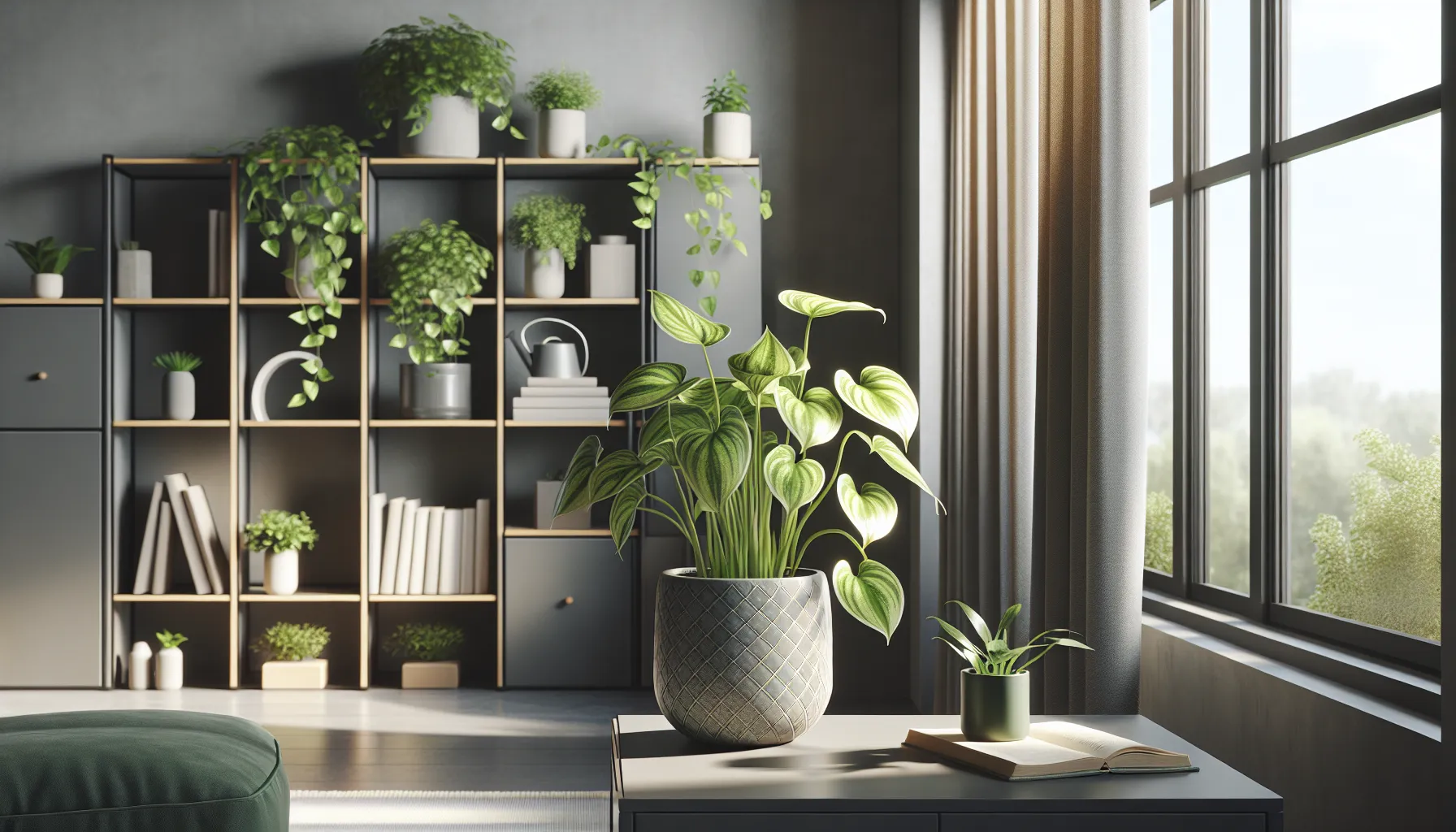
How To Care For A Money Plant: Your Ultimate Guide
Picture this: You walk into your living room after a long day, and there it is—a money plant, its glossy green leaves catching the afternoon light, looking so alive you almost expect it to wave hello. If you’ve ever wondered how to care for a money plant so it thrives (and maybe brings a little luck your way), you’re in the right place. I’ve killed more than one money plant in my time, so trust me, I know the pitfalls—and the simple tricks that actually work.
Why Money Plants Matter (And Who Should Grow Them)
Money plants, also called pothos or devil’s ivy, aren’t just pretty. They’re famous for being tough, forgiving, and—according to some—lucky. If you’re a serial plant killer, a busy parent, or someone who forgets to water anything that doesn’t bark, this plant is for you. If you want a plant that needs constant fussing, look elsewhere. But if you want a green friend that forgives your mistakes, keep reading.
Getting Started: Choosing the Right Money Plant
Here’s the part nobody tells you: not all money plants are created equal. Some have variegated leaves, some are solid green, and some even have a silvery sheen. Pick one that makes you smile. When you buy, check for firm, unblemished leaves and healthy roots. If the soil smells funky or the leaves look limp, walk away. Trust your gut—if it looks sad in the store, it’ll look sad at home.
Where to Place Your Money Plant
Light is everything. Money plants love bright, indirect sunlight. Too much sun scorches their leaves; too little, and they get leggy and pale. I once stuck mine in a dark corner and wondered why it looked like it was auditioning for a horror movie. Lesson learned: place your money plant near a window with filtered light. North or east-facing windows work best. If you only have harsh afternoon sun, use a sheer curtain.
Temperature and Humidity
Money plants like it warm—think 18-30°C (65-86°F). They hate cold drafts. If you feel chilly, your plant probably does too. Humidity helps, but you don’t need a rainforest. If your home is dry, mist the leaves once a week or set the pot on a tray of pebbles and water. Don’t drown the roots—just keep the air around them moist.
How to Water a Money Plant (Without Killing It)
Here’s where most people go wrong. Overwatering is the number one killer. Stick your finger in the soil—if the top inch feels dry, it’s time to water. If it’s damp, wait. Use room-temperature water and pour until it drains out the bottom. Empty the saucer so the roots don’t sit in water. In winter, water less. Your plant is basically napping and doesn’t need as much to drink.
Signs You’re Watering Wrong
- Yellow leaves? You’re probably watering too much.
- Brown, crispy edges? Not enough water or humidity.
- Wilting, but soil is wet? Roots might be rotting—let it dry out.
If you’ve ever panicked and dumped a whole jug of water on your plant, you’re not alone. I’ve done it. The good news? Money plants bounce back if you catch the mistake early.
Feeding Your Money Plant
Money plants aren’t greedy, but they do like a snack now and then. Use a balanced liquid fertilizer once a month during spring and summer. Skip feeding in fall and winter. Too much fertilizer burns the roots and makes the leaves look sad. Less is more.
Pruning and Training: Shaping Your Money Plant
Pruning isn’t just for looks—it keeps your plant healthy. Snip off yellow or damaged leaves with clean scissors. If your money plant gets leggy, cut back the stems just above a leaf node. New growth will sprout from there. Want a bushier plant? Pinch off the tips. Want it to climb? Give it a moss pole or trellis. I once let mine trail off a bookshelf, and it turned into a living curtain.
Repotting: When and How
If roots start poking out of the pot or the plant looks cramped, it’s time to repot. Choose a pot one size bigger with drainage holes. Use fresh, well-draining potting mix. Gently loosen the roots, set the plant in the new pot, and fill in with soil. Water well and let it settle in. Don’t repot in winter—wait for spring when the plant is ready to grow.
Common Problems and How to Fix Them
- Yellow leaves: Usually too much water. Let the soil dry out.
- Brown spots: Could be sunburn or dry air. Move to indirect light and mist the leaves.
- Pale leaves: Not enough light. Move closer to a window.
- Sticky leaves or webbing: Check for pests like spider mites. Wipe leaves with soapy water.
If you spot trouble, act fast. Most issues are easy to fix if you catch them early. Don’t beat yourself up—every plant parent makes mistakes.
Propagating Your Money Plant
Want more money plants? It’s easy. Cut a healthy stem with at least two leaves. Place it in water or moist soil. In a few weeks, you’ll see roots. Pot it up and share with friends—or keep them all for yourself. I once gave cuttings to my neighbor, and now her kitchen looks like a jungle.
My Biggest Money Plant Mistakes (So You Don’t Repeat Them)
I’ve underwatered, overwatered, and even dropped a pot on my foot. The biggest lesson? Money plants forgive. They’re tough, but not invincible. If you forget to water for a week, don’t panic. If you overdo it, let the soil dry. If you see bugs, act fast. The real secret to how to care for a money plant is paying attention and not giving up after a mistake.
Final Thoughts: Why Money Plants Are Worth It
If you want a plant that brings life to your space, cleans the air, and forgives your blunders, the money plant is your new best friend. Learning how to care for a money plant isn’t about perfection—it’s about noticing the little things, making small changes, and enjoying the process. Next time you see those shiny leaves, remember: you’re not just growing a plant. You’re growing a little bit of luck, right there on your windowsill.