

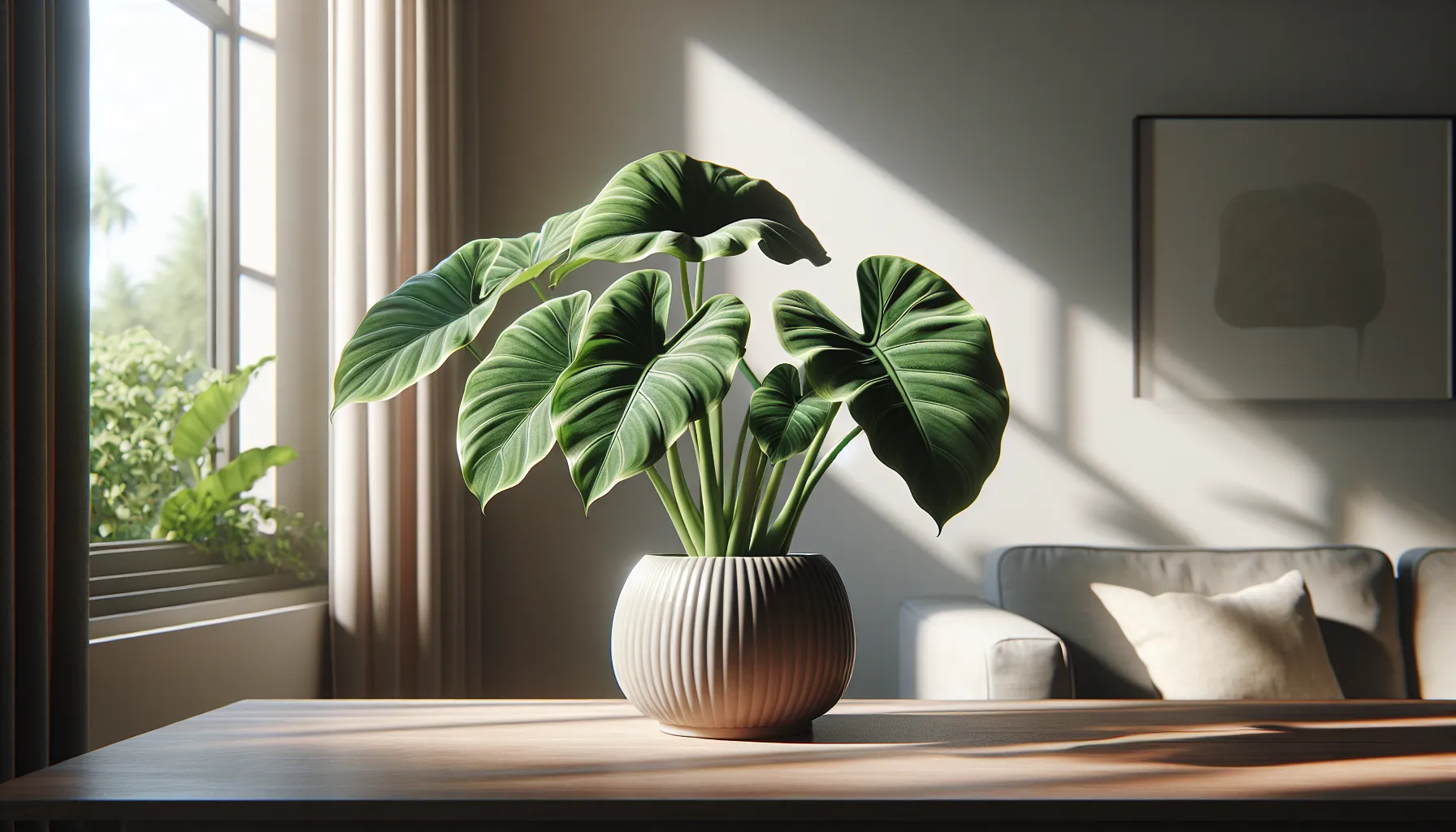
Elephant Ears Plant Care: A Guide to Thriving Foliage
Picture this: You walk into your living room and see a single, massive leaf—bigger than your head—catching the morning light. It’s not a jungle, but it feels like one. That’s the magic of elephant ears. If you’ve ever tried to grow these bold beauties and ended up with droopy, sad leaves or crispy edges, you’re not alone. Elephant ears plant care isn’t rocket science, but it does have a few secrets. Let’s break it down so your foliage thrives, not just survives.
What Makes Elephant Ears So Special?
Elephant ears aren’t just plants—they’re a statement. With leaves that can reach three feet long, they turn any corner into a tropical escape. But here’s the part nobody tells you: their size isn’t just for show. Those giant leaves act like solar panels, soaking up sunlight and gulping down water. If you want your elephant ears to look lush, you need to treat them like the thirsty, sun-loving giants they are.
Who Should Grow Elephant Ears?
If you love dramatic plants and don’t mind a little mess (fallen leaves, splashes of water), elephant ears are for you. They’re perfect for people who want instant impact—no waiting years for a tiny plant to grow up. But if you forget to water or travel a lot, these might not be your best match. Elephant ears plant care rewards attention and consistency.
Choosing the Right Spot
Light is everything. Elephant ears crave bright, indirect sunlight. Too much direct sun can scorch their leaves, leaving brown patches. Too little, and they’ll sulk—think small, pale leaves. If you’re growing them indoors, put them near an east or north-facing window. Outdoors, dappled shade works best. Here’s why: filtered light mimics their natural habitat under tall trees.
Temperature and Humidity
These plants love warmth. Keep them in temperatures above 65°F (18°C). If you feel chilly, your elephant ears probably do too. Humidity is their best friend. Dry air leads to crispy edges and sad, droopy leaves. Mist them regularly or use a humidifier. In summer, you can even move them outside for a humidity boost.
Soil and Potting Tips
Here’s the secret: elephant ears want rich, loose soil that drains well but holds moisture. Think of a chocolate cake—moist, not soggy. Use a mix of potting soil, peat moss, and perlite. If you’re planting outdoors, add compost to your garden bed. Good drainage prevents root rot, which is the silent killer of elephant ears.
Pot Size and Repotting
Start with a pot that’s at least twice the size of the bulb. As your plant grows, you’ll need to repot every year or two. If roots start poking out of the drainage holes, it’s time to upgrade. Don’t wait—crowded roots mean stunted leaves.
Watering: The Make-or-Break Factor
Here’s where most people trip up with elephant ears plant care. These plants drink a lot, especially in summer. Water when the top inch of soil feels dry. Don’t let them sit in water, though—soggy roots spell disaster. In winter, cut back on watering. The plant slows down, and too much water can cause rot.
- Check soil moisture with your finger—don’t trust the calendar.
- Use room-temperature water to avoid shocking the roots.
- Empty saucers after watering to prevent standing water.
If you’ve ever seen yellow leaves, you might be overwatering. Brown, crispy edges? Probably too dry or not enough humidity. Adjust and watch your plant bounce back.
Feeding for Foliage
Elephant ears are hungry. During the growing season (spring and summer), feed them every two to four weeks with a balanced, water-soluble fertilizer. Look for something with equal parts nitrogen, phosphorus, and potassium. Skip the fertilizer in winter—your plant is resting.
Here’s a lesson I learned the hard way: too much fertilizer can burn the roots. Start with half-strength and see how your plant responds. If the leaves look pale or growth stalls, bump it up a bit.
Common Problems and How to Fix Them
Even with the best elephant ears plant care, things can go sideways. Here’s what to watch for:
- Droopy leaves: Usually means underwatering or low humidity. Water more often and mist the leaves.
- Brown spots: Sunburn or fungal disease. Move to a shadier spot and avoid wetting the leaves when you water.
- Pale leaves: Not enough light or nutrients. Move closer to a window and feed regularly.
- Pests: Spider mites and aphids love elephant ears. Wipe leaves with a damp cloth and use insecticidal soap if needed.
If you’ve ever panicked over a yellowing leaf, you’re not alone. I once chopped off half my plant before realizing it just needed more light. Don’t be afraid to experiment—these plants are tougher than they look.
Overwintering Elephant Ears
If you live where winters get cold, you’ll need to bring your elephant ears inside or dig up the bulbs. After the first frost, cut back the leaves and store the bulbs in a cool, dry place. Replant in spring when the soil warms up. If you keep them indoors, reduce watering and let them rest until days get longer.
Propagating Elephant Ears
Want more plants? Elephant ears make it easy. When you repot, look for small offsets or “pups” around the main bulb. Gently separate them and plant in fresh soil. Water well and keep warm. In a few months, you’ll have a whole new batch of giant leaves.
Final Thoughts: Why Elephant Ears Are Worth It
Elephant ears plant care isn’t about perfection—it’s about paying attention. If you love bold, dramatic plants and don’t mind a little trial and error, these giants will reward you with jaw-dropping foliage. Every new leaf feels like a small victory. If you’ve ever wanted your home to feel like a tropical getaway, this is your plant. Just remember: water, light, and a little patience go a long way. Happy growing!