

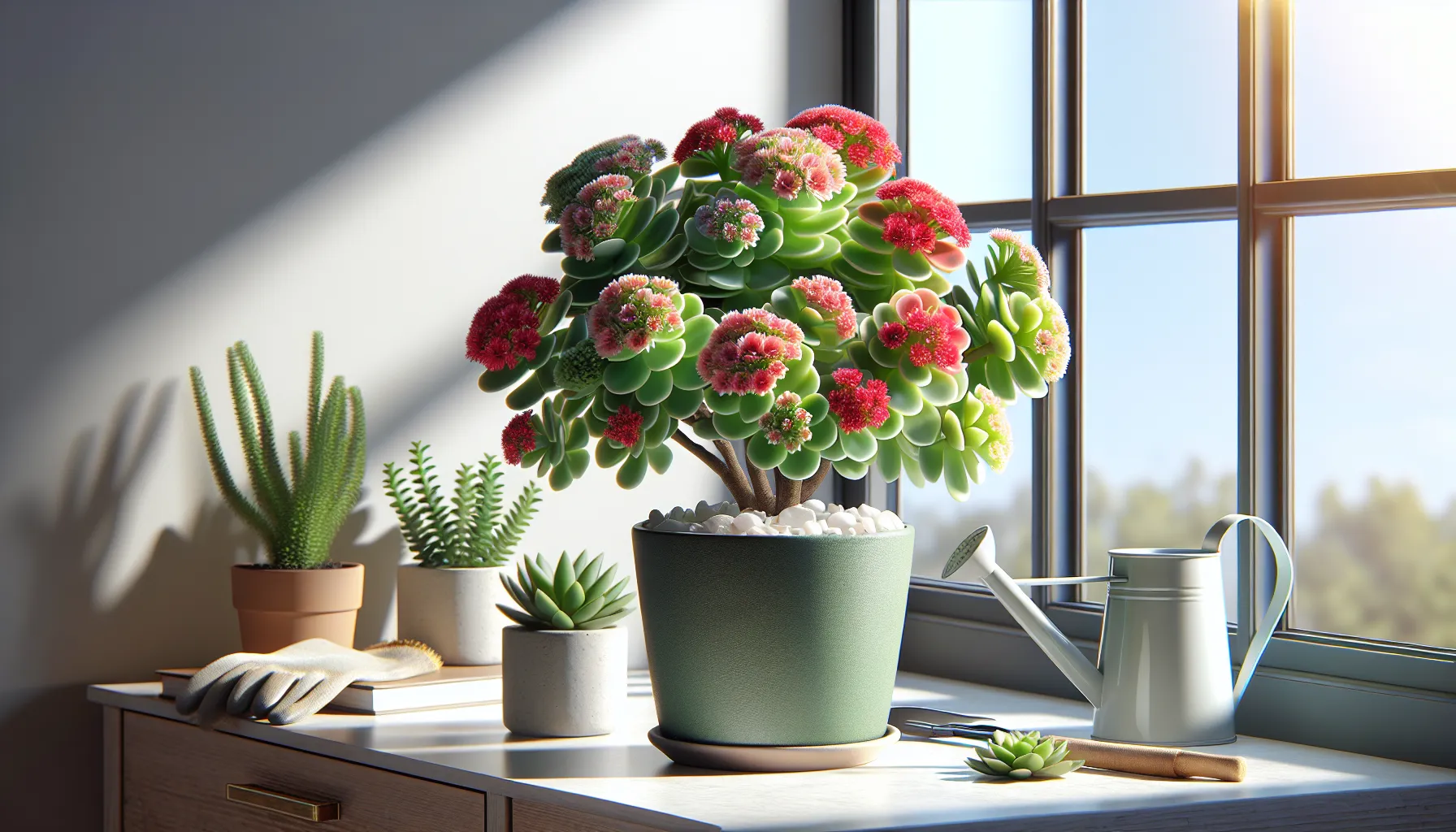
Calandiva Plant Care: A Comprehensive Guide
Picture this: You walk into your kitchen on a gray morning, and there it is—a Calandiva plant, bursting with clusters of tiny, rose-like blooms in neon pink. You reach out, touch a petal, and realize it’s not silk. It’s real. If you’ve ever killed a houseplant (or three), you might wonder, “How do I keep this one alive?” Calandiva plant care isn’t a secret code. It’s a set of simple habits that anyone can master—even if you’ve forgotten to water a cactus before.
What Makes Calandiva Special?
Calandiva isn’t just another pretty face in the succulent aisle. It’s a Kalanchoe hybrid, bred for its double-layered flowers and long-lasting blooms. Unlike most houseplants, Calandiva can flower for up to six weeks straight, sometimes even longer. That’s months of color, right when you need it most. If you crave low-maintenance beauty, Calandiva plant care is your ticket.
Who Should Grow Calandiva?
If you want a plant that forgives the occasional missed watering, Calandiva is for you. It’s perfect for busy people, forgetful waterers, and anyone who loves bright, cheerful flowers. But if you want a plant that thrives in dark corners or needs constant misting, look elsewhere. Calandiva loves light and hates soggy roots.
Light: The Secret Ingredient
Here’s the part nobody tells you: Calandiva’s blooms depend on light. Lots of it. Place your plant near a south or west-facing window. If you see leggy stems and few flowers, it’s begging for more sun. But don’t roast it—direct, harsh sunlight can scorch the leaves. Aim for bright, indirect light. If you’re in a basement apartment, consider a grow light. Your Calandiva will thank you with more blooms.
Watering: Less Is More
Overwatering is the number one Calandiva killer. The soil should dry out between waterings. Stick your finger an inch into the soil. If it’s dry, water. If it’s damp, wait. Use room-temperature water and pour until it drains from the bottom. Never let the pot sit in water. Root rot is real, and it’s not pretty.
- Water every 10-14 days in spring and summer
- Cut back to every 3-4 weeks in fall and winter
- Always check the soil before watering
If you’ve ever drowned a plant with love, Calandiva plant care will teach you restraint. Less is truly more.
Soil and Potting: The Right Foundation
Calandiva needs well-draining soil. Use a cactus or succulent mix. If you only have regular potting soil, add perlite or coarse sand. The pot should have drainage holes—no exceptions. Repot every two years, or when roots peek out of the bottom. Fresh soil means fresh nutrients and fewer pests.
Humidity and Temperature: Keep It Simple
Calandiva isn’t fussy about humidity. Average indoor air works fine. Keep temperatures between 60-85°F (16-29°C). Avoid cold drafts and sudden temperature swings. If you feel comfortable, your Calandiva probably does too.
Fertilizing: Feed, Don’t Overfeed
During the growing season (spring and summer), feed your Calandiva once a month with a balanced, water-soluble fertilizer. Dilute it to half strength. Skip feeding in fall and winter. Too much fertilizer can burn the roots and reduce flowering. Remember, Calandiva plant care is about moderation.
Pruning and Deadheading: More Blooms, Less Mess
After the flowers fade, snip off spent blooms with clean scissors. This encourages new buds and keeps the plant tidy. If stems get leggy, trim them back. Don’t be afraid—Calandiva bounces back quickly. Pruning also helps shape the plant and prevents it from getting too wild.
Common Problems and How to Fix Them
- Yellow leaves: Usually from overwatering. Let the soil dry out.
- No blooms: Not enough light. Move closer to a window.
- Wilting: Check for root rot or underwatering.
- Pests: Watch for mealybugs or aphids. Wipe leaves with soapy water or use insecticidal soap.
If you’ve ever panicked at a droopy leaf, remember: most Calandiva problems have simple fixes. Don’t give up at the first sign of trouble.
How to Get Calandiva to Rebloom
Here’s a trick: Calandiva needs short days and long nights to set buds. In fall, give your plant 14 hours of darkness each night for about six weeks. Cover it with a box or move it to a dark room. After this “rest,” return it to bright light. With patience, you’ll see new buds form. It’s a little extra effort, but the reward is a fresh burst of color.
Propagating Calandiva: Share the Love
Want more Calandiva plants? Take a healthy stem cutting, let it dry for a day, then plant it in moist, well-draining soil. Keep it warm and bright, but out of direct sun. In a few weeks, you’ll see new growth. It’s a fun way to multiply your collection or share with friends.
Calandiva Plant Care: Lessons Learned
I once left my Calandiva on a windowsill during a heatwave. The leaves scorched, and the flowers wilted. I thought it was a goner. But after moving it to filtered light and trimming the damage, it bounced back. Calandiva is tougher than it looks. If you make a mistake, don’t panic. Adjust, learn, and try again.
Final Thoughts: Is Calandiva Right for You?
If you want a plant that rewards you with months of blooms and asks for little in return, Calandiva is a smart choice. It’s not for those who forget about their plants for months or want instant results. But if you’re willing to give it light, occasional water, and a little attention, you’ll get a showstopper that brightens any room. Calandiva plant care isn’t about perfection—it’s about small, consistent habits. Try it, and you might surprise yourself.